
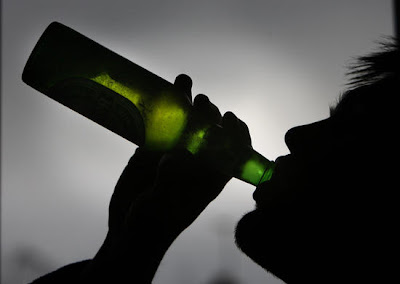
The challenges of a modern urban life seem to be taking a heavy toll on the teenagers in the age group of 15-19 years who are resorting to increased alcohol consumption in order to distract themselves from the day-to-day problems, a study has revealed.
According to the study conducted by the social development foundation of the Associated Chambers of Commerce and Industry of India (Assocham), 45 percent of intermediate students in metropolitan cities consume alcohol excessively, at least five to six times a month. Most of the 2,000 surveyed adolescents said they took to drinking out of peer pressure. Over 32 per cent of teenagers admitted to drinking when they were upset, and 18 per cent said they drank when alone. About 15 per cent said they drank when they were bored, while 45 per cent consumed alcohol to “get high.”
The survey, conducted across Mumbai, Kochi, Chennai, Hyderabad, Indore, Patna, Pune, Delhi, Chandigarh and Dehradun, found that youngsters spend Rs 3,500 - Rs4,500 on alcohol every year. Liquor consumption was most prevalent in Delhi-National Capital Region and Mumbai followed by Chandigarh and Hyderabad. “More young Indians are resorting to alcohol these days due to the growing liberated society, easy spending power and wide availability of brands,” said D S Rawat, Secretary General, Assocham.
The study also revealed a cultural shift where 70 per cent of teens said they consume alcohol at birthday parties, farewells and other such occasions. Higher alcohol intake has increased risks of high-risk sexual behaviour, tuberculosis, cancer, liver diseases and duodenal ulcer among teenagers. Teenagers also run the risk of alcohol dependency, moving on to more dangerous drugs and causing significant harm to themselves and others, the study reveals (PTI).
According to the study conducted by the social development foundation of the Associated Chambers of Commerce and Industry of India (Assocham), 45 percent of intermediate students in metropolitan cities consume alcohol excessively, at least five to six times a month. Most of the 2,000 surveyed adolescents said they took to drinking out of peer pressure. Over 32 per cent of teenagers admitted to drinking when they were upset, and 18 per cent said they drank when alone. About 15 per cent said they drank when they were bored, while 45 per cent consumed alcohol to “get high.”
The survey, conducted across Mumbai, Kochi, Chennai, Hyderabad, Indore, Patna, Pune, Delhi, Chandigarh and Dehradun, found that youngsters spend Rs 3,500 - Rs4,500 on alcohol every year. Liquor consumption was most prevalent in Delhi-National Capital Region and Mumbai followed by Chandigarh and Hyderabad. “More young Indians are resorting to alcohol these days due to the growing liberated society, easy spending power and wide availability of brands,” said D S Rawat, Secretary General, Assocham.
The study also revealed a cultural shift where 70 per cent of teens said they consume alcohol at birthday parties, farewells and other such occasions. Higher alcohol intake has increased risks of high-risk sexual behaviour, tuberculosis, cancer, liver diseases and duodenal ulcer among teenagers. Teenagers also run the risk of alcohol dependency, moving on to more dangerous drugs and causing significant harm to themselves and others, the study reveals (PTI).
Article sent by: voiceofsikkim team


